Where to Buy Wholesale Lumber and Different Types of Wood: A Complete Guide for Contractors and Builders

To All Our Valued Customers, Over the past few years, the Covid 19 Pandemic has forced us to adapt and change the way we do things on a day-to-day basis. Florida Lumber is no exception. To make sure that we remain strong and competitive in the market for the years to come, Florida Lumber has had to adjust and change our vision for the future. In the last 2 years, we have stopped selling Sheetrock and drywall products, roofing felt and roofing materials, and have even closed on Saturdays.
Over the last few months, we have been transitioning our way out of the door supply business so on August 31, 2022, our door shop will stop assembling doors. We will continue liquidating our doors from inventory until we are out of material.
Some customers have asked if we are closing or even moving locations. To set the story straight, we are not closing or selling the business and we are not moving. These changes are all part of our new vision and path to continue serving South Florida and increasing our footprint in the construction supply industry.
Our focus is going to be on Lumber, Construction Materials, Rebar Fabrication and Rebar Accessories. As we have liquidated some of the items that we don’t sell anymore we have created more space to buy a larger volume of our core items and pass on the savings to our customers.
In the next year you will start seeing changes that will help improve our ability to serve you, our customers. We appreciate your business and your patience as Florida Lumber’s new vision becomes reality.
A Todos Nuestros Valiosos Clientes En los ultimos anos, la pandemia de el Virus (Covid 19) nos ha forzado a adaptarnos y cambiar la forma de hacer cosas en el dia a dia. Florida Lumber no ha sido una excepcion.
Para asegurarnos de mantenernos fuertes y competitivos en el mercado en los anos venideros, Florida Lumber ha tenido que ajustar y cambiar nuestra vision para el futuro. En los dos ultimos anos hemos dejado de vender los productos de yeso (sheetrock), paneles de yeso (drywall), tela asfaltica (roofing felt), materiales de techo y cerramos los Sabados. En los ultimos meses, hemos estado en transicion para salir del negocio de suministro de puertas, en Agosto 31, del 2022 nuestra tienda de puertas dejara de construir y/o cortar puertas. Vamos a continuar liquidando nuestro inventario de puertas haste que terminemos todo el material. Algunos de nuestros clientes han preguntado si estamos cerrando o si nos estamos moviendo a otra localidad. La verdad es que no estamos cerrando, no estamos vendiendo y no estamos cambiando de localidad. Estos cambios son todos parte de nuestra nueva vision y camino a continuar sirviendo al estado sur de la Florida y incrementar nuestras huellas en la industria de suministros de construccion.
paneles de yeso (drywall), tela asfaltica (roofing felt), materiales de techo y cerramos los Sabados.
En los ultimos meses, hemos estado en transicion para salir del negocio de suministro de puertas, en Agosto 31, del 2022 nuestra tienda de puertas dejara de construir y/o cortar puertas.
Vamos a continuar liquidando nuestro inventario de puertas haste que terminemos todo el material. Algunos de nuestros clientes han preguntado si estamos cerrando o si nos estamos moviendo a otra localidad.
La verdad es que no estamos cerrando, no estamos vendiendo y no estamos cambiando de localidad. Estos cambios son todos parte de nuestra nueva vision y camino a continuar sirviendo al estado sur de la Florida y incrementar nuestras huellas en la industria de suministros de construcción.
2431 N.W. 20TH ST.
MIAMI, FL 33142
PHONE: (305) 635-6412
Sales Fax: (305) 633-4054
Accounting Fax: (305) 635-3723
Email: [email protected]
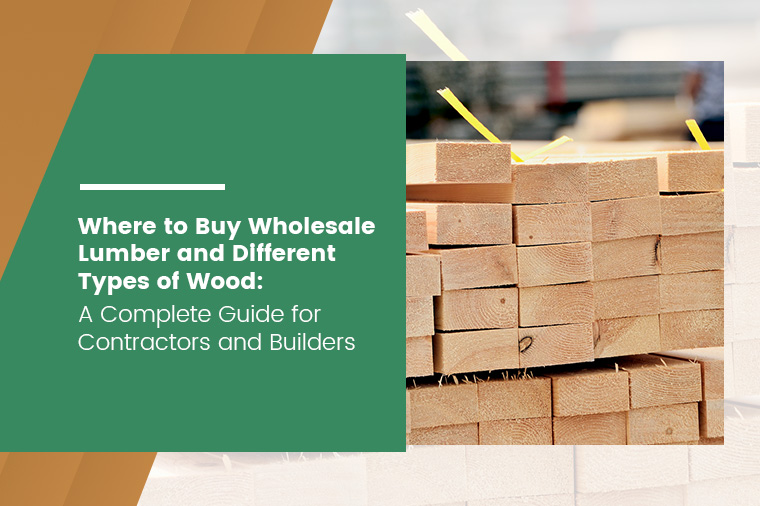
Where to Buy Wholesale Lumber and Different Types of Wood: A Complete Guide for Contractors and Builders
Wood-based construction projects are in high demand because this material is cost-effective, sustainable and visually appealing to many homeowners. Contractors and builders can choose from many different options, and to do that, they need a reliable partner that can supply wholesale lumber in their area.
A partnership can significantly cut down on prices and the time it takes to acquire materials, while giving you confidence in the quality of the wood you're purchasing. For many in the Miami area and beyond, that trusted partner is Florida Lumber. We are your one-stop shop for all your wholesale lumber needs.
Explore all the benefits of partnering with us and examine the types of lumber to consider before starting a job below.
Why Buy Lumber in Bulk?
Buying lumber in bulk offers numerous benefits, including:
- Cost efficiency: Lumber purchased in bulk offers lower prices per unit, which can translate into enormous savings on large-scale projects. Over time, these savings can compound and radically alter your business's bottom line.
- Consistency: When you purchase lumber wholesale, you ensure your materials are uniform. That consistency results in a unified aesthetic for the project that can make everything look more cohesive and appealing.
- Availability: Lumber wholesalers sell in bulk because they have the inventory to back it up. With them, you can take on long-term or high-volume projects with the assurance that you will have enough lumber to get the job done.
- Logistical ease: Buying lumber in bulk simplifies the ordering and delivery processes for everyone involved. Ordering a single large shipment covering multiple projects saves time and money.
Key Considerations When Buying Lumber Wholesale
When purchasing construction lumber, it's important to consider the quality of the wood itself. Some lumber may be better suited to certain projects and climates, giving the finished building a stronger foundation and a longer lifespan. To assess wood quality, however, you need to understand the following:
- Wood grades: Industry professionals assess and categorize wood based on its quality, strength and appearance. They then divide it into different grades, indicating whether the wood can be used for specific applications in construction and other industries. Softwoods and hardwoods each have their own grading systems.
- Dimensions and sizing: Lumber is typically cut to exact measurements. This is referred to as the wood's dimensional or nominal size. However, as the wood dries, it shrinks, and it is often planed as well. Before a purchase, always assess the size to see if the lumber meets your needs. You may need to invest in a custom cut.
- Moisture content: Wood carries moisture within it, which responds to the temperature and humidity content of the air around it. In humid climates like Florida's, wood may swell due to the high temperature and humidity.
- Durability: All of the factors above impact lumber's durability and suitable applications, especially environmental factors like temperature, humidity and UV exposure. Before committing to a specific lumber for a project, assess each factor to determine if it is durable enough for the job.
4 Types of Wood Contractors Should Know
There are many different types of construction wood, and they all have unique strengths that make them ideal for specific applications.
1. Pressure-Treated Lumber
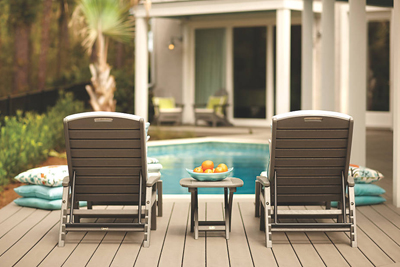
Lumber in this category has been treated with wood preservatives or fire retardants to be used for outdoor structures, decking and fencing. It is more resistant to moisture, insects and rot and thrives in regions with humid and rainy conditions.
2. Hardwoods
Hardwoods come from deciduous trees and are known for being dense, durable and aesthetically appealing. They are often used in furniture, flooring and cabinetry.
3. Softwoods
Softwoods are lightweight, affordable and available across the United States. Pine, spruce, fir and cedar trees are some of the most common softwoods, and their lumber is typically used for framing, roofing and general construction.
4. Plywood and Engineered Wood
These woods are often grouped together, but they are not identical. Plywood is made from layers of thin wood veneers that are adhered together, whereas engineered wood is made from a variety of wood fibers, wood chips or sawdust that are adhered together. They offer strength, stability and versatility.
Plywood is available in various types, such as CDX, OSB and marine plywood, and can be used for subflooring, roofing and sheathing.
Choosing the Right Wood for Your Project

When you buy wood in bulk, you can choose from these varieties of wood. Your final decision should be dictated by the type of projects you're taking on.
If you're tackling a framing job, for example, softwoods are probably your best option. From there, you must assess the wood grade and dimensions necessary for that specific job.
Hardwoods are preferred for flooring due to their wear resistance and finish. Many homeowners love the aesthetic boost that woods like mahogany provide to their floors, and the functionality of these woods adds to that appeal.
For exterior projects, pressure-treated lumber is the way to go. This wood is uniquely prepared to weather the outdoors. It can resist rot, bugs and rain where others might crumble, making it a perfect fit for more humid regions.
Match the wood to both the environment and the job itself. If there's a mismatch, the lumber may compromise the durability and stability of the final construction.
Why Source from a Local, Reliable Supplier
Wholesale lumber can represent huge savings for construction companies, but partnering with a supplier near you can take those benefits even further. Local suppliers can provide you with:
- Quality assurance: Lumber provided by a local supplier will arrive faster than wood that has to cross state lines. You can even visit the supplier to evaluate the wood's quality in person if you like.
- Expert guidance: A lumber wholesaler near you is likely to be acquainted with your region's building codes and climate concerns, so they can recommend compliant woods that can perform under those conditions.
- Better support: When the supplier is in your area, returns and replacements become far simpler. It's also easier to work with customer service to resolve issues, as you can actually work with them in person rather than over the phone when necessary.
Florida Lumber: Your Wholesale Partner
If you're looking for building materials in Florida, Florida Lumber is for you. We offer a range of wholesale lumber options that can decrease costs and construction times. We have spruce, hemfir, cedar and more in various sizes so that you can find the perfect wood for your needs.
If you aren't sure where to start, we offer tailored support for contractors and can advise you on projects large and small. For us, speed, variety, quality and affordability are top priorities.
Every type of lumber in our inventory is available at bulk pricing, and for our clients in Miami-Dade and Broward, we even offer free jobsite delivery on qualifying orders. No matter the size of your order, it will be delivered promptly and safely.
Partner With Us Today!
If you need high-quality wood at wholesale pricing, we are the Florida lumber supplier for you. With Florida Lumber, you always know you're getting the right wood for the job at a price point you deserve.
Reach out to Florida Lumber today for expert support and lumber that is perfect for Florida homes.
